You finished your book. That is a big win. Now you are thinking about the next “official” step. You keep hearing one word everywhere. ISBN. It sounds technical. It sounds expensive. But it is actually very simple once you see it. In this guide, I will walk you through it. I will keep the words easy. I will keep the steps clear. You will learn what an ISBN does. You will learn when you need it. You will also learn how to get one the right way. And yes, we will talk about free ISBN options too.
An ISBN is not “good” or “bad” by itself.
It is just a tool. The smart part is choosing the right option for your goals. So let’s make that decision easy for you.
What an ISBN Is, in Plain Words
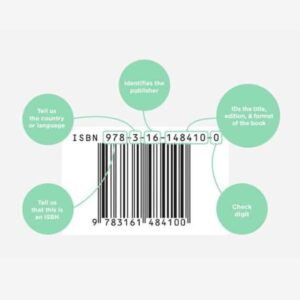
ISBN means International Standard Book Number. It is a 13-digit number. It identifies a specific book edition. Think of it like a product ID for books. Stores and libraries use it to track titles. Distributors use it to list your book correctly. Search systems use it to avoid mix-ups. Here is the key idea.
An ISBN is tied to one format of a book. Paperback is one format. Hardcover is another format. Audiobook is another format. A revised edition may need a new ISBN too. This matters a lot when you plan your formats. Also, an ISBN connects to publisher information. That publisher name becomes part of your book’s identity. That is why the “free vs own ISBN” choice matters.
Do You Even Need an ISBN for Self-Publishing?
Sometimes yes. Sometimes no. It depends on where you publish. It also depends on your book format. If you publish an ebook on Amazon KDP, you do not need an ISBN. KDP states that ebooks do not require an ISBN there. If you publish a paperback or hardcover on KDP, you can use a free ISBN. KDP offers that option during setup. But here is the important part. If you want to order easily, ISBN helps. If you want wide distribution, ISBN helps more. If you want your own publishing imprint, ISBN helps a lot. If you want to sell through many retailers, it is often expected. So, the real question is not “Do I need it?” The real question is “What do I want this book to do?” Once you answer that, the ISBN choice becomes simple.
The Two Main ISBN Options for Self-Published Authors
You basically have two choices. You can use a free ISBN from a platform. Or you can buy your own ISBN from your country agency. A free platform ISBN is the easiest path. You click a button and you get a number. This is common with print books on KDP. But that ISBN is linked to the platform as publisher. It may also be limited to that platform. KDP clearly notes their free ISBN can only be used on KDP. Buying your own ISBN gives you full control. You choose the publisher name that appears. You can use that ISBN across platforms. This is important for wide publishing plans. It is also important for brand-building over time. Neither option is “wrong.” It is about control, budget, and your long-term plan.
Step 1: Decide Your Publishing Goal First
Before you buy anything, pause. Ask yourself one clear question. “Where will I sell this book in the next year?” If your answer is “Amazon only,” keep it simple. A free KDP ISBN may be enough for print. If your answer is “Amazon plus other stores,” think wider. Then owning your ISBN is usually smarter. Also think about your author brand. Do you want your own imprint name on the book? Do you want to look like a small publishing house? Do you plan many books in the future? If yes, owning ISBNs supports that professional image. This step saves money and stress later. It also prevents redoing your book setup. So do not skip it, even if you feel excited.
Step 2: List Every Format You Will Publish
This step is where many authors slip. So let’s make it very clear. Each format needs its own ISBN. Paperback needs one. Hardcover needs one. Audiobook needs one. Large print often needs one too. A new edition may need another ISBN. Ebooks are special. Many ebook platforms do not require ISBNs. KDP ebooks do not require ISBNs. But some authors still use them for ebooks. They do it for catalog tracking. They do it for certain distributors. They also do it for consistency across systems. Write your formats on a simple list. That list tells you how many ISBNs you need. It also helps you decide if bulk buying makes sense.
Step 3: Choose Your Publisher Name and Imprint
Here is a friendly truth. Your publisher name is not always your author name. It can be, but it does not have to be. If you buy your own ISBN, you set the publisher name. That name appears in many listings. It is part of your book metadata. It helps your brand look stable across platforms. If you use a free platform ISBN, the platform may appear as publisher. KDP explains that ISBNs identify books and imprint names too. So, if you care about “publisher identity,” think carefully here. A simple imprint can be your brand name. Or it can be “Your Name Press.” Keep it easy to spell. Keep it easy to remember. Also keep it consistent across future books. This step feels small. But it impacts your long-term author business.
Step 4: Find the Official ISBN Agency in Your Country
ISBNs are handled by country agencies. You should get ISBNs from the official source. This protects you from issues later. It also keeps your publisher record clean. For the United States, Bowker is the official ISBN agency. Bowker clearly states it is the only official source in the U.S. For Canada, ISBN Canada provides ISBNs to eligible publishers. The Government of Canada pages explain the service. They also explain you can apply and create an account. For the United Kingdom, Nielsen is the ISBN agency store. Their store lists single and bulk ISBN pricing. If you are outside these countries, do the same approach. Search for “official ISBN agency” plus your country name. Avoid random resellers if you can. When you buy from an official agency, your details are cleaner. That can matter for bookstores and distributors later.
Step 5: Create Your ISBN Account and Register as a Publisher
Most agencies follow a similar flow. You create an account. You enter publisher details. Then you request ISBNs. If you are in Canada, ISBN Canada asks you to create an account. They also mention a review process for account requests. They provide clear instructions and contact details too. In the U.S., you typically buy ISBNs through Bowker systems. Bowker explains that ISBNs support distribution and discovery. They also sell ISBNs through their identifiers store. During signup, use stable information. Use a business email if you have one. Use a publisher name you can keep long-term. Use a mailing address you can access for records. These details may follow your imprint for years. This step is your “publisher foundation.” Set it once, and you can publish faster later.
Step 6: Buy or Request the Right Number of ISBNs
Now you decide quantity. You can buy one ISBN. Or you can buy a block. In the UK, Nielsen lists a single ISBN price and bulk options. In the U.S., Bowker sells single and bulk packages. Here is a simple rule that helps. If you will publish only one print format, one ISBN is fine. If you will publish paperback and hardcover, you need two. If you will add audiobook later, you need three. If you plan multiple books this year, bulk may save money. Also remember this detail. ISBNs do not “expire” once you own them. Bowker notes that ISBNs never expire in their selling info. So buying a block is not wasted if you are growing. Pick the number that matches your real plan. Not your “dream plan.” You can always buy more later.
Step 7: Assign Each ISBN to the Correct Book Format
Getting an ISBN is not the final step. You must assign it correctly. Match one ISBN to one format. Do not reuse the same ISBN for paperback and hardcover. Do not reuse it for audiobook either. That causes retailer confusion. It can also cause listing errors later. When you assign an ISBN, you also link metadata. Metadata means title, author name, and publisher name. It can include book size and binding type too. It also includes publication date in many systems. KDP advises that if you use your own ISBN, details must match. They say you must enter the same details used to register the ISBN. That is very important. If you change your subtitle, update your records carefully. If you change your publisher name, be consistent everywhere. This step is about clean data. Clean data helps your book get found.
Step 8: Get a Barcode for Your Print Book
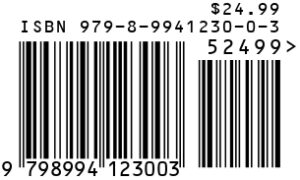
Many print books need a barcode on the back cover. That barcode often includes the ISBN. Some printers generate it for you. Some platforms add it automatically. Some authors prefer their own barcode file. If you publish through KDP, KDP can place a barcode. This is often the easiest route for beginners. If you print elsewhere, ask your printer what they need. Some want a high-resolution barcode image. Some only need the ISBN and price details. Be careful with random barcode generators. Many are fine, but some are low quality.
A blurry barcode can cause scanning problems in stores. That can lead to returns or shelf issues. If you want maximum control, buy barcodes from trusted sources. If you want simplicity, use platform barcode options. Both can work. Just make sure the barcode matches the correct ISBN.
Step 9: Use the ISBN Correctly on Amazon KDP and Beyond

Let’s make the KDP part easy. If you choose a free KDP ISBN, KDP assigns it during setup. That ISBN is tied to KDP use only. So you cannot take that same ISBN to another printer. This matters for wide distribution plans. If you buy your own ISBN, you enter it during setup. Then KDP asks for imprint and publisher details. KDP also reminds you to match ISBN registration details. Do not rush this part. Copy the exact title and author spelling from your ISBN record. For non-Amazon platforms, the same rule applies. Use the ISBN for the matching format only. Keep metadata consistent across every storefront. Consistency improves trust with retailers and systems. It also reduces “duplicate listing” problems.
Step 10: Double-Check These Common ISBN Mistakes
Most ISBN problems come from simple mix-ups. Here are the big ones to avoid. Do not assign one ISBN to multiple formats. That breaks the core ISBN purpose. Do not change your book title after registration without updates. Do not use one publisher name in one place and another elsewhere. Do not guess your publication date across platforms. Pick a date and keep it consistent. Also avoid buying ISBNs from shady sellers. In some cases, they list themselves as the publisher. That can hurt your imprint control.
It can also confuse bookstores later. Finally, do not forget edition changes. A new edition may need a new ISBN. A major content update may count as a new edition. A small typo fix usually does not. When in doubt, ask your ISBN agency or distributor. Clean ISBN handling is boring. But it prevents big headaches later. ISBN Checklist You Can Copy and Use This checklist keeps you organized. It also keeps your metadata clean. First, write your final book title and subtitle. Then lock your author name spelling. Then pick your imprint or publisher name.
Next, list every format you will publish. Then count how many ISBNs you need. After that, find your official national ISBN agency. Create your account and request or buy ISBNs. Assign one ISBN to one format only. Register the correct metadata for each ISBN. Create or confirm your print barcode. Finally, enter matching data on every platform. When you follow this list, you avoid most issues. You also look more professional to retailers. That can help your book travel farther.
Quick FAQ About ISBNs for Self-Published Books
Can I publish without an ISBN?
Yes, sometimes you can. Some platforms do not require it for ebooks. But print distribution often works better with an ISBN. Bookstores and libraries often expect one too. So it depends on your sales plan and format plan.
Is a free ISBN from KDP okay?
Yes, it is okay for many beginners. It is fast and costs nothing. But it can be used only on KDP. So it is not ideal for wide printing plans. If you want full imprint control, buy your own ISBN.
Do I need a different ISBN for paperback and hardcover?
Yes, you usually do. Each format is a different product. ISBNs identify specific editions and formats. This helps stores order the right version. It also prevents listing confusion online.
How do I know my official ISBN agency?
It depends on your country. In the U.S., Bowker is the official source. In Canada, ISBN Canada provides ISBNs to eligible publishers. In the UK, Nielsen sells ISBNs through their ISBN store. Other countries have their own agencies as well.
Final Thoughts: Pick the Option That Matches Your Real Plan
Getting an ISBN is not scary. It is just one more publishing step. The smartest part is choosing the right route. If you want simple and fast, use a platform ISBN. If you want control and wide flexibility, buy your own. If you plan to publish many books, consider buying a block. If you care about your imprint brand, own the ISBNs. Whatever you choose, keep your metadata consistent. That one habit saves you the most trouble. It also helps your book look professional everywhere.