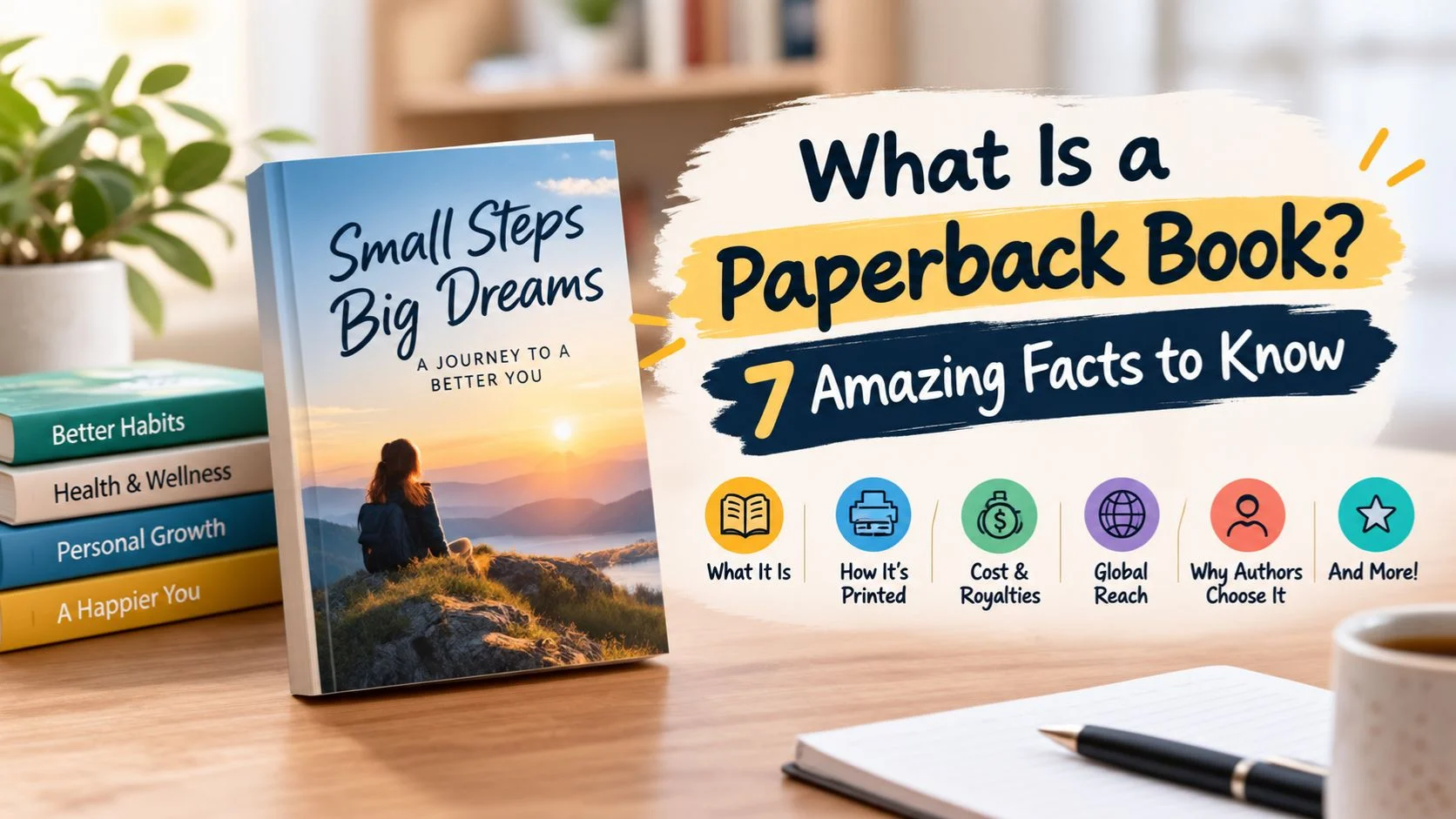
What Is a Paperback Book? 7 Amazing Facts to Know
If you enjoy reading, you have probably come across paperback books many times. They are found in bookstores, libraries, schools, and online stores. However, many readers still ask, what is a paperback book and how does it differ? A paperback book has a flexible cover around its printed pages. The cover is usually made from thick paper or cardstock. The pages are attached along the spine using a suitable binding method. Most paperbacks use glue binding for this purpose. This design makes them lighter and easier to carry. It also helps keep their price lower than many hardcovers. Paperbacks are available for almost every type of reader. You can find novels, memoirs, guides, textbooks, workbooks, and children’s books.
The term paperback describes the physical format of the book. It does not describe the subject, story, or writing style. This simple format has remained popular for many years. Readers often choose it because it offers convenience and affordability. Authors also like it because physical publishing is now more accessible.
What Is a Paperback Book?
When someone asks what is a paperback book, the answer is quite simple. A paperback is a printed book with a soft and flexible outer cover. Unlike a hardcover, its cover can bend without much effort. The cover usually uses thick paper or coated cardstock. The pages are placed between the front and back cover. They are then secured along the spine during the binding process. This creates a lightweight book that feels comfortable in your hands. Paperback books can have different sizes, page counts, and paper types. Their physical appearance depends on the publisher and book category.
A paperback novel may have a compact size for easy reading. A paperback textbook may use larger pages for educational content. A workbook may also need extra space for exercises and notes. These differences show how flexible the paperback format can be. The main feature remains the soft cover around the printed pages. A paperback can still have excellent printing and professional design. A flexible cover does not mean the book looks cheap or poorly made. Modern printing allows publishers to create attractive and high-quality paperbacks.
What Is a Paperback Edition?
A paperback edition is a particular physical version of a published book. It uses a flexible cover instead of a rigid hardcover. One title can have several editions available at the same time. For example, readers might find hardcover and paperback editions. They may also find e-book and audiobook versions of the same title. The written content can remain similar between different physical editions. However, the design and page layout may change between versions. The paperback edition may use a smaller trim size. It may also have fewer or more pages than the hardcover.
This happens because different formats use different layouts and materials. Some publishers release hardcover versions before their paperback editions. This approach can happen with popular novels and major releases. Other publishers may release a paperback edition from the beginning. There is no single publishing schedule for every book. Readers often choose paperbacks because they offer better value. They can enjoy the same story without paying for a rigid cover. The lighter design also makes the book easier to carry. This makes the paperback edition especially useful for everyday reading.
How Is a Paperback Book Made?

Creating a paperback book involves several important steps. The process usually begins with a completed and carefully edited manuscript. Editing helps improve grammar, structure, clarity, and overall reading quality. Proofreading then checks the final text for smaller mistakes. After editing, the manuscript needs professional interior formatting. Formatting controls how the text appears on every printed page. It includes margins, fonts, spacing, headings, and page numbers. The author or publisher must also select the book’s trim size. Trim size refers to the final dimensions of the printed book.
Different genres often use different sizes for practical reasons. A novel may use a compact size for comfortable reading. An educational book may require larger pages for charts and diagrams. The cover also needs careful preparation before printing. A complete paperback cover includes the front, spine, and back. The spine width depends on the book’s final specifications. Page count and paper type can affect this measurement. Technical checks are also important before sending files to print. These checks can prevent problems with margins, bleed, and image quality. A printed proof can provide another useful quality check. Authors can inspect the cover, pages, layout, and overall appearance. Fixing problems before publication can save time and money later.
Paperback vs. Hardcover: What Is the Difference?
The biggest difference between paperback and hardcover books is their cover construction. A paperback uses a flexible cover that can bend easily. A hardcover uses a rigid cover that keeps its shape. This difference affects the weight, handling, durability, and price of each format. Hardcover books are usually heavier than similar paperback books. They can also feel more substantial when held. Many readers prefer hardcovers for collections, gifts, and special editions. Paperbacks are often preferred for everyday reading and travel. They are usually easier to place inside backpacks and everyday bags. Price can also influence the choice between these formats. Hardcover production often requires more expensive materials and construction.
Paperback production can use simpler and lighter cover materials. This can help create a lower retail price for readers. However, prices can vary greatly between different publishers. Page count, paper quality, printing, and distribution can affect pricing. Durability is another important factor when comparing the two formats. A hardcover can provide stronger protection around the pages. A paperback can still last for many years with proper care. The best option depends on how you plan to use the book. Regular travelers may appreciate the lighter paperback design. Collectors may prefer the stronger appearance of a hardcover edition.
Is Paperback the Same as Softcover?
Yes, paperback and softcover usually describe the same general book format. Both terms normally refer to books with flexible outer covers. The exact word used can depend on the publisher or retailer. Online bookstores commonly use the term paperback when listing formats. Some publishers and printers may use the term softcover instead. Both descriptions generally point to the same basic construction. The important feature is the flexible outer cover. The interior pages can still vary in quality and thickness. Different books may use different paper types and printing methods.
Therefore, every softcover book will not look exactly alike. Some may have glossy covers with colorful artwork. Others may use matte covers with simple and professional designs. The binding method can also vary depending on the book. Most standard paperbacks use glue-based binding along the spine. Some projects may require different binding approaches. The chosen method depends on page count and production requirements. Readers should focus on the physical specifications when comparing formats. The terms paperback and softcover usually describe the cover style. They do not automatically tell you about the book’s quality.
What Is a Paperback Textbook?

A paperback textbook is an educational book with a flexible outer cover. It can be used in schools, colleges, universities, and independent learning. These books can cover almost any academic subject. They may include science, mathematics, history, business, or language studies. A paperback textbook can be convenient for students who travel frequently. Its lighter construction makes carrying it around much easier. Price can also be an important reason for choosing this format. Students may prefer affordable books when several textbooks are required.
However, textbooks often receive heavier use than ordinary novels. Students may carry them between classrooms and homes every day. They may also open the same pages repeatedly throughout a semester. Because of this, binding quality becomes very important. A well-produced paperback textbook should have suitable binding strength.
The cover should also handle regular movement and repeated use. Interior formatting is equally important for educational materials. Textbooks often include charts, diagrams, examples, tables, and exercises. These elements need enough space and clear organization. Good headings help students locate important information quickly. Readable fonts can also make longer study sessions more comfortable. Some publishers offer both paperback and hardback textbook versions. Students can then choose based on their budget and needs. The right choice depends on expected use and required durability.
Why Are Paperback Books So Popular?
Paperback books remain popular because they offer several practical benefits. Affordability is one of the biggest reasons readers choose them. A paperback can often cost less than a comparable hardcover. This allows readers to purchase more books within their budget. Portability is another major advantage of the paperback format. The lighter construction makes carrying books much easier.
Readers can take them to work, school, cafes, or while traveling. Many people also enjoy the comfortable feel of flexible covers. The book can feel less bulky during longer reading sessions. Paperbacks also take up less space on many bookshelves. Their lighter weight can make moving large collections easier. Authors also benefit from the popularity of this format.
Independent writers can offer physical books without traditional publishing contracts. Print-on-demand services have made this process more accessible. Books can be produced when readers place orders. This can reduce the need for large inventories and storage spaces. Authors still need professional formatting and cover preparation. Poorly prepared files can create problems during the printing process. A carefully designed paperback can provide a strong reader experience. This combination of affordability, convenience, and accessibility keeps paperbacks popular.
What Is a Paperback Book for Amazon KDP?

Authors often search for information about a paperback book for Amazon KDP. KDP means Kindle Direct Publishing, a self-publishing platform from Amazon. Authors can use the platform to publish physical paperback editions. The service supports print-on-demand production for eligible titles. This means copies can be printed when customers place orders. Authors first need to prepare their interior manuscript correctly. They also need a properly designed paperback cover file. Both files must follow the platform’s current technical requirements.
Trim size is one of the most important choices for authors. It determines the final dimensions of the printed book. The selected size also affects the interior page layout. Page count can influence the final spine width as well.
Authors need to prepare the cover around these specifications. A complete cover normally includes the front, spine, and back. Images should also have suitable quality for the selected printing process. Authors should review their files carefully before publication. The online preview tool can help identify formatting problems. Ordering a physical proof can provide another useful quality check. Authors can inspect the actual printed book before making it available. A paperback book for Amazon KDP can suit many projects. It can work for novels, guides, journals, and educational books. Authors can also offer an e-book version alongside their paperback. This gives readers more than one way to access the content.
What Makes a Good Paperback Book?
A good paperback begins with useful and well-written content. However, strong writing is only part of the complete experience. The book should also have a clean and comfortable interior design. Readers should be able to move through each page easily. Proper margins help keep text away from uncomfortable page edges. Readable fonts also make longer reading sessions easier. Headings should clearly separate different sections of the book. Page numbers should appear in suitable and consistent locations. The cover should also match the book’s subject and audience.
Readers often notice the cover before reading the description. A professional cover can create a stronger first impression. The spine should also be prepared carefully during production.
Incorrect spine measurements can cause printing problems. Binding should match the book’s page count and intended use. Paper choice can also affect the overall reading experience. Books with photographs may need different paper than novels. Educational books may need paper that handles diagrams clearly. The final files should always receive a careful quality check. A physical proof can reveal issues that digital previews may miss. These small checks can make a major difference in the finished book. A well-made paperback should feel clear, comfortable, and professional.
What Are the Main Benefits of Paperback Books?
Paperback books offer several benefits for both readers and authors. Their flexible design makes them practical for everyday use. They are usually lighter than books with rigid covers. This makes them easier to carry during travel or daily activities. Their lower production cost can also make them more affordable. Readers can often purchase several paperbacks within a smaller budget.
This is helpful for people who read many books each month. Paperbacks also come in many sizes and designs. Readers can choose formats that match their personal preferences. Authors have flexibility when selecting paperback specifications too.
They can choose suitable trim sizes, paper types, and cover finishes. A paperback can also look highly professional when designed correctly. Good formatting can make the reading experience much more enjoyable. A strong cover can also help the book stand out. For self-published authors, paperbacks provide a useful physical product. They can sell printed copies without maintaining large inventories. Print-on-demand services can make this process even easier. These benefits explain why paperback books remain popular worldwide.
Are Paperback Books Good for Everyday Reading?
Paperback books are an excellent option for everyday reading. Their lightweight construction makes them comfortable to carry. Readers can easily take one to work or school. They can also bring one while traveling or relaxing outside. The flexible cover can feel comfortable during longer reading sessions. Many readers enjoy holding paperbacks while sitting or lying down. Their smaller size can also make them easier to store.
A paperback can fit into many shelves without taking much room. Readers with large collections may appreciate this space-saving benefit. Paperbacks can also be easier to replace when they become worn. Their affordable price makes buying another copy less difficult. However, proper care can help them last much longer. Readers should avoid bending the cover unnecessarily. They should also keep books away from water and excessive moisture. A clean and dry storage area can protect the pages. With simple care, a paperback can remain useful for many years.
How Durable Is a Paperback Book?
The durability of a paperback depends on its materials and construction. Binding quality plays an important role in its overall lifespan. The cover material can also affect how well it handles regular use. A carefully produced paperback can remain in good condition for years. However, it may show wear sooner than a hardcover. The flexible cover can develop bends, creases, or small scratches. Frequent opening can also place stress on the spine. Heavy use can make these issues appear more quickly. Storage conditions can affect durability as well. Moisture is one of the biggest concerns for printed books.
Damp environments can cause pages to wrinkle or become damaged. Direct sunlight can also affect some printed covers over time. Readers should therefore store books in dry and suitable spaces. Gentle handling can help protect the cover and binding. Using clean hands can also reduce marks on the pages. When properly cared for, paperback books can remain enjoyable for years.
How Much Does a Paperback Book Cost?

The price of a paperback book can vary greatly. There is no single price that applies to every paperback. Several factors can influence the final retail cost. Page count is one important factor in printing expenses. A longer book usually requires more paper and printing time. Trim size can also affect the amount of paper required. Paper type and ink choices can influence production costs too. The printing method also matters when calculating the final price.
Distribution expenses can affect the price readers see in stores. Publisher pricing decisions are another important consideration. Self-published authors may also set prices based on production costs. They need to consider printing expenses before choosing a retail price. A reasonable price should provide value while covering production expenses. Readers should compare similar books before deciding whether the price feels fair. A paperback may cost less than a hardcover version. However, individual prices can still differ significantly.
What Paperback Book Sizes Are Available?
Paperback books can be produced in many different sizes. There is no universal size for every paperback project. The best size depends on the book’s content and audience. Fiction books often use compact dimensions for comfortable reading. Nonfiction books may use slightly larger formats for detailed information. Children’s books can require larger pages for illustrations. A paperback textbook may also need extra page space. Larger pages can make charts, tables, and diagrams easier to read. Smaller formats can make books lighter and easier to carry. The chosen trim size also affects the final page count.
This can influence production costs and spine width. Authors should therefore select a size carefully before formatting. Changing the size later can affect the entire interior layout. Margins, text placement, and page breaks may all need adjustment. Cover dimensions must also match the final trim size. Professional preparation can prevent many avoidable production problems.
What Paper Is Used for Paperback Books?
Different paperback books can use different types of paper. The right choice depends on the book’s content and purpose. Many novels use paper that provides comfortable reading. Books with photographs may need paper suited for detailed images. Educational books may require paper that supports diagrams and charts. Paper thickness can also affect the overall book weight.
A thicker paper can make a book feel more substantial. However, it can also increase the final page count or thickness. Paper color can influence the reading experience as well. Some books use bright white pages for strong contrast.
Others use cream-colored paper for a softer reading experience. The best choice depends on the book’s design and intended audience. Authors should also consider the printing platform’s available options. Different platforms may offer different paper choices. Understanding these options can help authors make better production decisions.
What Is the Difference Between Paperback and Hardback?
The terms paperback and hardback describe two different physical formats. A paperback uses a flexible cover around the printed pages. A hardback uses a rigid cover that offers greater protection. Hardback books often feel heavier and more durable. They can also provide a more premium appearance. Paperback books usually focus more on portability and affordability. This makes them popular for everyday reading.
Hardbacks can work well for collectors and special editions. Paperbacks can work well for regular readers and travelers. The interior content may be similar between both versions. However, the page layout can change between different editions. Their prices can also differ because production methods are different. Neither format is automatically better than the other. The right choice depends on the reader’s priorities. Authors should consider their audience before selecting a format. Understanding these differences makes the buying decision much easier.
Can Authors Publish a Paperback Book for Amazon KDP?
Yes, authors can publish a paperback book for Amazon KDP. KDP provides tools for independent book publishing. Authors can upload their interior and cover files through the platform. They can then select suitable publishing and distribution options. Print-on-demand allows copies to be produced when readers order them. This can reduce the need for storing large quantities of books. Authors can therefore publish physical editions with less inventory management. However, proper file preparation is still very important. The interior should follow the selected trim size and formatting requirements.
The cover must also match the final book specifications. Page count affects the required spine width for the cover. Authors should carefully review the preview before publishing. A physical proof can also provide valuable quality feedback. It allows authors to inspect the actual printed result. They can check text placement, images, margins, and cover alignment. These checks can help prevent embarrassing mistakes after publication.
Is a Paperback Book Good for Self-Publishing?
Paperback books are a popular choice for self-published authors. They give readers a physical version of an independently published work. Modern print-on-demand services have made this option easier. Authors no longer need to print thousands of copies upfront. Instead, copies can be produced based on customer demand. This approach can reduce storage and inventory concerns. It can also make testing a new book more practical.
Authors can publish their work and monitor reader interest. However, successful self-publishing still requires careful preparation. The manuscript should be professionally edited before formatting. The interior should also have a clean and readable design. The cover should represent the book’s genre and audience. Accurate metadata and a strong description are important too. Authors should also check their final files before publication. A professional paperback can create a much stronger first impression. Readers are more likely to enjoy a book that feels polished.
Paperback Book Care Tips
Taking care of a paperback book is fairly simple. The most important step is protecting it from moisture. Water can quickly damage paper pages and flexible covers. Books should also be stored away from excessive humidity. Direct sunlight can fade some covers over time. Readers should avoid placing heavy objects on paperback books. This can bend the cover or damage the spine. When carrying a paperback, use a suitable bag for protection.
Avoid forcing the book into an overcrowded backpack. Repeated pressure can create unwanted bends and creases. Readers should also avoid folding page corners whenever possible. Using a bookmark is a better option for marking your place. Clean hands can also help keep pages free from unwanted marks. Simple care can make a noticeable difference in book longevity. These habits can help preserve a paperback for many years.
Are Paperback Books Better for the Environment?
The environmental impact of a paperback depends on several factors. Paper production uses natural resources and energy. Printing also requires materials, transportation, and manufacturing processes. However, paperback books are often lighter than hardcover books. Their lower weight can affect transportation requirements. The environmental impact also depends on how books are produced. Responsible paper sourcing and efficient printing can reduce some impacts. Print-on-demand can also help reduce unnecessary inventory. It produces books according to actual customer orders.
This may reduce the number of unsold copies. Readers can also extend a book’s usefulness by sharing it. Donating or reselling used books gives them a longer life. Libraries provide another way for multiple people to read one copy. Recycling damaged books may also be possible in some areas. The best approach is to consider the complete production and usage cycle.
Should You Choose Paperback or Hardcover?
Choosing between paperback and hardcover depends on your needs. Think about how you plan to use the book. If portability matters, paperback may be the better choice. If price matters, paperback may also be more attractive. Readers who want a premium appearance may prefer hardcover. Collectors may also appreciate the stronger construction of hardback editions. Frequent travelers often prefer lighter paperback books.
Students may also consider paperback textbooks because of their lower weight. However, heavy daily use may favor a more durable hardcover. Authors should consider their target audience before choosing a format. They should also consider their publishing budget and book category. A novel may work very well as a paperback. A special gift edition may work better as a hardcover. Educational projects require careful consideration of durability and usability. The best format should support the purpose of the book.
Common Questions About Paperback Books
What is a paperback book made of?
A paperback book usually has printed paper pages. Its outer cover is commonly made from thick paper or cardstock. The pages are attached to the cover along the spine. The exact materials can vary between printers and publishers.
What is a paperback edition?
A paperback edition is a book version with a flexible cover. The same title may also have hardcover and digital editions. The content may remain similar across different versions. However, page layout, size, cover, and price can change.
Is paperback cheaper than hardcover?
Paperback books are often cheaper than hardcover books. Their flexible covers usually require fewer expensive materials. However, prices depend on page count and production choices. Publisher pricing and distribution can also affect the final cost.
Is a paperback book durable?
A paperback can be durable when properly produced and handled. However, its flexible cover can wear faster than hardcover material. Good binding and proper storage can extend its lifespan. Careful handling also helps protect the spine and pages.
What is a paperback textbook?
A paperback textbook is an educational book with a flexible cover. It can cover subjects used in schools and higher education. Many students appreciate its lighter weight and lower cost. Strong binding remains important because textbooks receive frequent use.
Can I publish a paperback book on Amazon KDP?
Yes, authors can publish paperback books through Amazon KDP. They need properly prepared interior and cover files. The files must follow the platform’s publishing requirements. Authors should also review their book before final publication.
What is the difference between hardback and paperback?
Hardback books have rigid covers, while paperbacks have flexible covers. Hardbacks are usually heavier and more durable. Paperbacks are generally lighter and more affordable. The best option depends on your personal needs.
How long can a paperback book last?
A paperback can last for many years with proper care. Its lifespan depends on binding, paper, cover quality, and handling. Heavy use can cause faster wear. Good storage can help protect the book from damage.
Final Thoughts
Understanding what is a paperback book becomes easy once you know its basic design. A paperback is simply a printed book with a flexible cover. This format has become popular because it combines convenience with affordability. Readers can carry paperbacks easily and store them without much effort. Authors can also use them to offer physical versions of their work. A paperback edition can be created for almost any book category. Fiction, nonfiction, education, business, and children’s books can use this format. A paperback textbook can also provide students with a practical learning option.
Meanwhile, authors can create a paperback book for Amazon KDP through print-on-demand publishing. The right choice depends on the book’s purpose and intended audience. Readers should consider price, portability, durability, and personal preference. Authors should consider production requirements, formatting, and reader expectations. When these factors are planned carefully, paperbacks can provide an excellent reading experience. Their simple construction remains useful for both traditional and independent publishing. That is why paperback books continue to hold an important place in publishing.

We help authors bring their stories to life through professional online book publishing services. From manuscript formatting and cover design to Amazon KDP publishing and global distribution, we make self-publishing simple, affordable, and successful.
